
What is the short answer?
Both are premium cottons, and a well made towel from either one will feel far better than a towel from ordinary short staple cotton. The difference lies in how each cotton behaves once it is spun and woven. Egyptian cotton makes a heavier feeling, denser towel that soaks up a great deal of water and stays damp for longer. Turkish cotton makes a lighter, loftier towel that still absorbs well, dries noticeably faster and keeps its softness through years of washing.
If you are buying towels for your own bathroom and you like a thick, almost heavy towel, Egyptian cotton may appeal. If you are buying towels for a business, where towels are washed daily, have to dry quickly between uses and must last for hundreds of laundry cycles, Turkish cotton is usually the stronger choice. That is why it is the standard cotton for so many hotel, spa, salon and retail towel programs.
The rest of this guide explains where that difference comes from, how to test it in a sample, and how to choose for the towels you plan to buy or sell.
Where does each cotton come from?
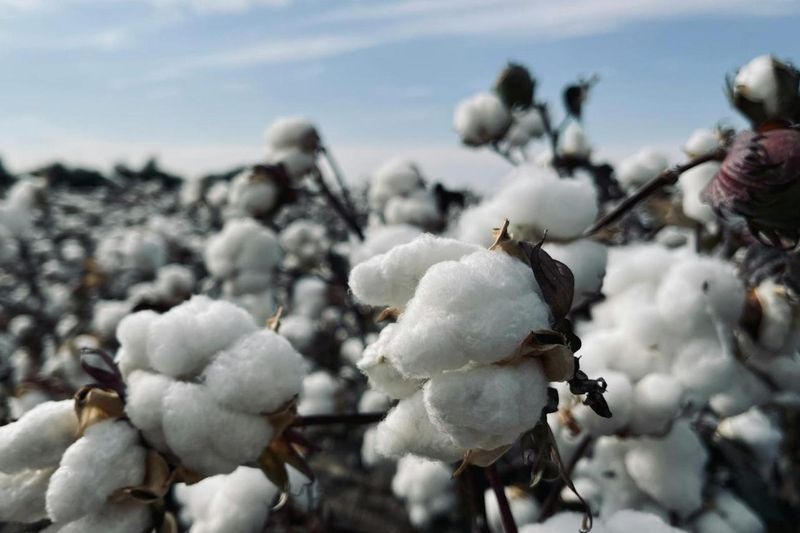
Egyptian cotton is grown along the Nile, mainly in the delta and the valley, where long sunny seasons, river water and rich soil suit cotton plants that take a long time to mature. The best known Egyptian cottons are extra long staple varieties bred over many decades, and their names often appear in luxury bedding and towel ranges.
Turkish cotton is grown mainly in two regions. The Aegean region around Izmir and the plains near the coast have produced cotton for centuries, and the town of Denizli inland has grown into one of the great towel weaving centers of the world. Southeastern Anatolia, around Şanlıurfa and the Harran plain, has become the largest growing area since irrigation projects brought water to the region. The cotton grown there feeds spinning mills and towel weavers across the country.
Geography matters for a practical reason. In Turkey, the cotton fields, the spinning mills, the weaving and dyeing plants and the sewing lines sit within one country, often within a few hours of each other. That short chain is a large part of why Turkish towels can be developed, sampled and delivered quickly.
What makes the fibers different?
The key word is staple, which means the length of a single cotton fiber. Ordinary upland cotton, the kind grown in most of the world, has fibers of roughly an inch or a little more. Long staple cotton has longer fibers, and extra long staple cotton has longer fibers still, often around one and a half inches.
Most Egyptian cotton used in fine textiles belongs to the extra long staple group. Its fibers are long, very fine and strong, which lets spinners make smooth, thin yarns with fewer fiber ends sticking out. In a towel, those yarns pack tightly into dense loops, so a lot of cotton sits in a small space.
Turkish cotton used for good towels is long staple. Its fibers are slightly shorter and a little thicker than extra long staple Egyptian fibers. That sounds like a disadvantage until you look at what happens in a towel. The slightly coarser fiber makes a yarn with more body, so loops stand up and stay open. Water reaches the inside of each loop, then evaporates again easily, which is why Turkish towels dry faster.
| Property | Egyptian cotton | Turkish cotton |
|---|---|---|
| Typical staple group | Extra long staple | Long staple |
| Fiber | Very fine, long and strong | Long, slightly fuller, strong |
| Yarn character | Smooth and dense | Lofty with good body |
| Main growing areas | Nile delta and valley | Aegean coast and Southeastern Anatolia |
| Typical towel feel | Heavy, plush, very soft | Light to medium, fluffy, soft |
Which cotton feels softer?
On the first touch, an Egyptian cotton towel often wins. The fine fibers and dense loops give a velvety, plush feel that many people describe as luxurious. A Turkish cotton towel feels soft too, but more airy and springy, with loops that move under the hand.
Softness changes over time. Turkish cotton towels are known for becoming softer with washing, as the loops relax and open. Egyptian cotton towels hold their softness well when cared for gently, but heavy towels with very tight loops can feel stiff after line drying or after washing in hard water, because water and minerals stay trapped in the dense pile.
Softness also depends on far more than the cotton. The yarn twist, the length and density of the loops, the finishing and the way towels are washed all change the feel. A towel woven from zero twist Turkish cotton yarn can feel softer than a standard Egyptian cotton towel. That is why buyers should compare finished samples, not cotton names on a label.
Which cotton absorbs more water?
Egyptian cotton holds more water. Its fine fibers give a large surface area, and the dense pile of a typical Egyptian cotton towel contains a lot of cotton per square meter. When you step out of a shower, an Egyptian towel takes up water quickly and keeps taking it.
Turkish cotton absorbs very well too, and for drying a body after a bath or shower, most people would not notice a gap in practice. Where the two separate is in what happens next. Because the Egyptian towel holds more water in a denser structure, it stays damp for longer. In a humid bathroom, a hotel room or a salon with towels stacked after use, that is not a small difference.
New towels of either kind can feel less absorbent at first because of finishing softeners on the surface. A wash or two before use removes them. If your customers need towels that absorb well from the first use, ask for pre washed towels or a light finish.
Which cotton dries faster?
Turkish cotton, clearly. Its lighter, more open loops let air through, so the towel dries faster on a rail, in a dryer or in the sun. This is the single biggest practical difference between the two cottons for business buyers.
Faster drying matters in several ways. In a hotel, a towel that dries quickly on the rail is pleasant to use again and less likely to smell musty. In a salon or a spa, towels can be washed and dried more times in a day with the same machines. In an industrial laundry, shorter drying cycles mean lower energy bills, and over tens of thousands of towels a year that saving adds up. For beach and pool towels, quick drying means lighter bags and towels that do not stay wet and sandy.
| Use | Why drying time matters | Better fit |
|---|---|---|
| Hotel bathrooms | Guests reuse towels; damp towels feel and smell worse | Turkish cotton |
| Salons and spas | Many washes a day with limited dryer capacity | Turkish cotton |
| Gyms and sports clubs | High turnover and constant laundering | Turkish cotton |
| Beach and pool | Towels carried, reused and dried outdoors | Turkish cotton |
| Luxury retail bath sets | Buyers often value thickness over drying time | Either, depending on the brand |
Which cotton lasts longer?
Both cottons are strong, and both make durable towels when the towel is well woven. In daily commercial use, Turkish cotton towels tend to hold up better. The fuller fiber and lofty yarn resist flattening, and because the towel dries faster, it spends less time damp, which helps against mildew and fiber damage.
Durability is decided mostly by construction. A firm ground weave, a dense enough loop count, double stitched hems, well woven selvedges and a good dyeing process do more for a towel's life than the cotton variety alone. A weak, loosely woven towel made from fine Egyptian cotton will fail before a well built Turkish cotton towel. When you compare suppliers, ask about the ground yarn, the hem stitching and the test results for wash durability, not just the cotton.
How do the prices compare?
Genuine extra long staple Egyptian cotton costs more than long staple Turkish cotton. It is grown in much smaller quantities, the crops vary from year to year, and much of it goes to fine shirting and bedding as well as towels. The yarn is also more delicate to weave, which can add to the cost of the finished towel.
For a towel buyer, the price gap depends on the specification. A heavy Egyptian cotton bath towel can cost considerably more than a Turkish cotton towel of the same size and weight. For a hotel buying thousands of towels a year, or a brand building margin into a retail range, that difference shapes the business. In most commercial programs, the money saved by choosing Turkish cotton can go into a heavier towel, a better yarn, a woven border or a logo, which guests and customers notice more than the name of the cotton.
Is all Egyptian cotton really Egyptian?
Not always. Egyptian cotton has a strong reputation, and the name sells. Over the years there have been cases where products sold as Egyptian cotton contained little or none of it, and global supply of genuine extra long staple Egyptian cotton is small compared with the number of products that carry the name. Testing can show whether fiber is extra long staple, and certification programs exist for genuine Egyptian cotton, but many towels on the market are never checked.
Turkish cotton carries less of this risk for a business buyer, because the cotton, yarn and towel are often produced in one supply chain within one country. When you buy from a Turkish towel maker, you can ask where the yarn was spun and where the cotton came from, and the answer is usually close to home.
If your brand wants to sell towels as Egyptian cotton, insist on documents that trace the yarn, and be careful with labels. Calling a towel Egyptian cotton when it is a blend, or when the yarn origin is unclear, can expose your brand to complaints and legal risk in many markets.
Can a towel combine both cottons?
Yes. Many towel makers use Egyptian cotton yarn for the pile, which the skin touches, and another cotton for the ground weave that holds the towel together. Some ranges blend fibers in the yarn itself. These combinations can give a soft surface at a more manageable price.
The same approach works the other way. A Turkish cotton towel can use a two ply ground yarn for strength and a zero twist pile yarn for softness, giving many of the qualities buyers associate with Egyptian towels while keeping the faster drying and better value of Turkish cotton. A good manufacturer will suggest the right combination for your use rather than pushing one cotton name.
Which is better for hotels?
For most hotels, Turkish cotton. Hotel towels have a hard life. They are washed at high temperatures in industrial machines, often with strong detergents and sometimes with bleach, then tumble dried, folded and used again within a day. They must look white and feel soft after hundreds of cycles, and they must dry quickly so housekeeping can turn rooms and laundries can keep up.
Turkish cotton handles that routine well. Hotels typically choose bath towels around 550 to 700 gsm in combed or ring spun Turkish cotton, with a dobby border or a jacquard logo. Luxury hotels sometimes add zero twist pile for extra softness or offer heavier bath sheets in suites. Our hotel towels wholesale program follows this approach, and the guide on what towels hotels use goes into detail on weights, sizes and laundry.
Some five star properties still choose Egyptian cotton for a signature towel in their top rooms. If you are one of them, consider using it only where the name matters to guests, and Turkish cotton for pool, spa and staff towels, where drying time and durability matter more.
Which is better for spas and salons?
Turkish cotton again, for most uses. Spa and salon towels are washed constantly and often exposed to oils, lotions, hair color and lightener. They need to dry fast so the next client always gets a fresh towel, and they need to resist marks. A medium weight Turkish cotton towel of around 450 to 550 gsm, with bleach resistant dyes for salon use, fits that work well.
For spa robes and treatment towels, many operators prefer lighter Turkish cotton waffle or terry, which keeps clients warm without the weight of a thick towel. Egyptian cotton, with its slow drying and higher cost, makes less sense in a setting where towels are used and washed many times a day.
Which is better for a retail or private label brand?
It depends on the story your brand wants to tell and the price point. Egyptian cotton is a familiar luxury cue for shoppers, especially for bath sets at higher price points. Turkish cotton has its own strong reputation, linked to the long tradition of Turkish towels and hammam culture, and it gives you a towel that performs well in everyday use at a price that leaves room for margin.
Many brands now lead with Turkish cotton because it lets them tell a clear origin story, with the cotton, the weaving and the finishing all in one country. It also makes reorders simpler, because supply is steady and lead times are short. If you are building a private label towel range, Turkish cotton is a safe base, and you can add a premium line with zero twist yarn or a heavier weight at the top of the range.
How should you compare samples?
Cotton names on paper tell you little. Ask for samples of the exact specification you would buy, then test them side by side. These simple checks reveal far more than marketing claims.
- Weigh each towel and divide by its area to check the real gsm against the specification.
- Wash each towel three to five times the way it will be washed in use, then compare softness, shrinkage and color.
- Pour a measured amount of water onto each towel and see how fast it disappears and how much spreads.
- Hang the towels side by side after use and note how long each takes to feel dry.
- Pull gently at the loops and check the hems and selvedges for loose threads.
- Look at the towel against the light to see how evenly the loops are spread.
Write the results down. After a week of use, the right towel for your business is usually obvious, and it is not always the one that felt best on the first touch.
What else changes how a towel feels?
The cotton is only one input. These factors often matter more to the final towel.
| Factor | What it changes |
|---|---|
| Yarn spinning | Combed and ring spun yarns feel smoother than open end yarn |
| Yarn twist | Zero and low twist yarns make loftier, softer loops |
| Ply | Two ply yarns add strength and weight |
| Loop height and density | Longer, denser loops feel plusher but dry more slowly |
| GSM | Heavier towels feel thicker and absorb more |
| Finishing | Softeners, shearing and pre washing change the hand feel |
| Dyeing | Good dyeing keeps fibers soft and colors steady |
Our towel fabrics page explains each weave and yarn type, and the guide on towel gsm and sizes shows how weight relates to use.
What about bamboo, organic and other options?
Buyers who compare Turkish and Egyptian cotton often look at other materials too. Organic cotton is grown without synthetic pesticides and fertilizers and processed under organic rules. It can be Turkish, and Turkey is one of the larger organic cotton producers, so organic Turkish cotton towels are readily available. They feel and perform like conventional Turkish cotton towels.
Bamboo towels are usually made from viscose fiber derived from bamboo, often blended with cotton. They feel silky and cool and absorb well, but they can be less durable in heavy laundry use and need care with their marketing claims in some markets. Microfiber towels are light and fast drying and suit salons, gyms and cleaning, but they feel very different from cotton. Linen blends are lint free and quick drying, popular for tea towels and peshtemals.
For most bath towels, robes and hospitality towels, cotton remains the first choice, and between the two famous cottons, the comparisons above still apply.
How do you care for each kind of towel?
Care is broadly the same, with small differences in emphasis. Wash new towels before first use to remove finishing softeners and loose fibers. Wash colored towels separately for the first few washes. Avoid fabric softener, which coats the loops and reduces absorbency over time; a little white vinegar in the rinse is a gentler alternative. Do not overload machines, because towels need room to move to rinse properly.
Turkish cotton towels can be tumble dried at medium heat or line dried; they dry quickly either way and fluff up nicely in a dryer. Heavy Egyptian cotton towels need longer drying and benefit from a good shake before hanging so the dense pile does not stiffen. Both should be dried fully before folding and storing, especially in humid climates, to prevent mildew.
For commercial laundries, the towel specification should match the wash program. If towels will be bleached or washed at high temperatures, tell your manufacturer so that the dyes, yarn and finishing can be chosen accordingly.
Why do so many buyers choose Turkey for towels?
Turkey is one of the largest towel producers and exporters in the world, and its towel industry has grown around the same strengths that make Turkish cotton attractive. Cotton is grown in the country. Spinning, weaving, dyeing, finishing and sewing are concentrated in established textile regions. Producers are used to working with hotel groups, retailers and brands from Europe, North America, the Gulf and beyond.
For buyers in Europe, Turkey is also close. Towels can travel by road to most European countries in a matter of days, and Turkish origin towels move into the European Union under the customs union without duty when accompanied by the right document. Buyers in the United Kingdom, the Middle East and North Africa also benefit from short transit times, and sea freight serves North America, Asia and Australia.
That combination of local cotton, a complete supply chain, experienced producers and short delivery times is why Turkish towels appear in so many hotel rooms and stores. If you would like to see what a Turkish towel maker can do with your specification, our Turkish towel manufacturer page explains how we work.
How do you choose between them for your order?
Start with the use. If the towels will be used and washed often, need to dry fast, and must last, choose Turkish cotton. If the towels are a luxury retail product where thickness and the Egyptian name are part of the appeal, and they will be used less intensively, Egyptian cotton can make sense.
Then think about the budget and the supply. If you need steady reorders, quick samples and predictable lead times, Turkish cotton makes life easier. If your program depends on a cotton name, budget for genuine, documented Egyptian cotton yarn and check it carefully.
Finally, test. Order samples of both if you are unsure, use them for a week the way your guests or customers will, and decide on results. Most business buyers who do this end up choosing Turkish cotton, often with a zero twist or combed yarn and a weight matched to their laundry.
What should go into your towel specification?
Whichever cotton you choose, a clear specification protects you. Name the cotton and the yarn type, the gsm with a tolerance, the finished size after washing with a tolerance, the weave and border, the color references, the logo method and position, the hem style, the labels and the packing. Ask for wash test results and, if your customers need them, the documents for any standards they require.
A good manufacturer will read your specification, point out anything that will not work in practice, and suggest changes that improve the towel or reduce its cost. If you are starting from scratch, send a description of how the towels will be used and a reference towel you like, and ask for a recommended specification with prices for two or three options.
Is Turkish cotton or Egyptian cotton the better choice overall?
For a single towel judged only by plushness on the first touch, Egyptian cotton often comes out on top. For towels judged by how they perform in real use, over months and years, at a price that makes sense for a business, Turkish cotton wins in most cases. It absorbs well, dries faster, softens with use, lasts in heavy laundering, costs less and comes from a short, reliable supply chain.
That is why we weave our towels from Turkish cotton as standard, and why we recommend it to hotels, spas, salons, distributors and brands unless they have a clear reason to choose otherwise. If you want to compare for yourself, ask us for samples in the weight and yarn you are considering.